
German Kitchens vs. American Kitchens: A Kitchen Comparison That Changes Everything
What separates a truly extraordinary kitchen from a merely functional one? The answer may lie thousands of miles across the Atlantic, or in your own backyard.
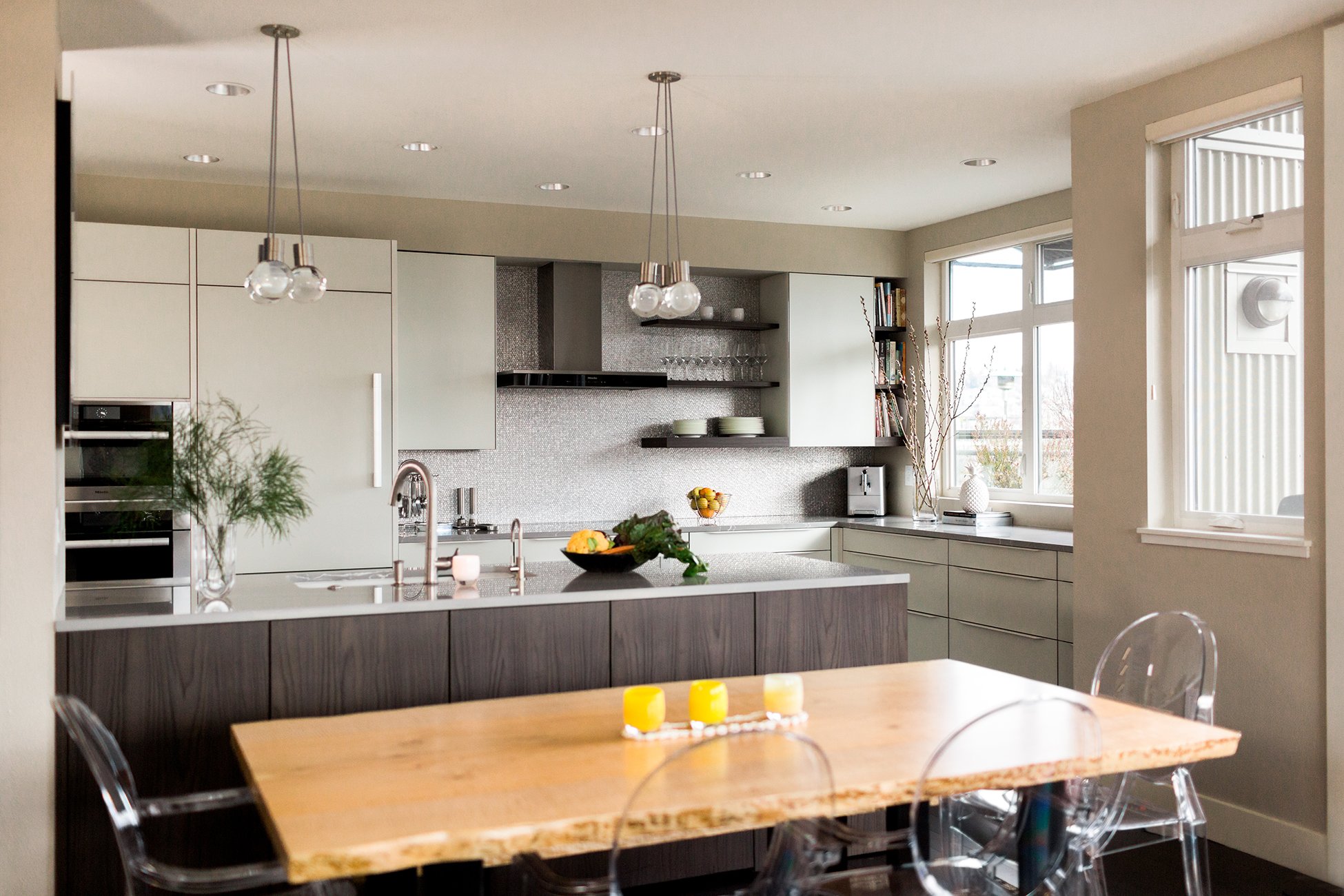
If you've ever walked into a European kitchen and felt an immediate sense of calm, precision, and beauty you're not imagining things. There's a reason that kitchen comparison conversations so often end with people saying, "I want that European feel." But what exactly is that feeling, and how does it differ from the more typical American kitchen that most of us grew up with?
At LEICHT Seattle, we live and breathe European kitchen design every single day. As the Pacific Northwest's premier destination for authentic German cabinetry, we've guided hundreds of homeowners through this exact discovery. We understand the differences between European kitchens and American kitchens; and what makes each one unique and luxurious in their own way. Here is an indepth breakdown between the two styles, with a deep respect for both traditions.
The Philosophy Behind the Kitchen
European Kitchens: Design as a Way of Life
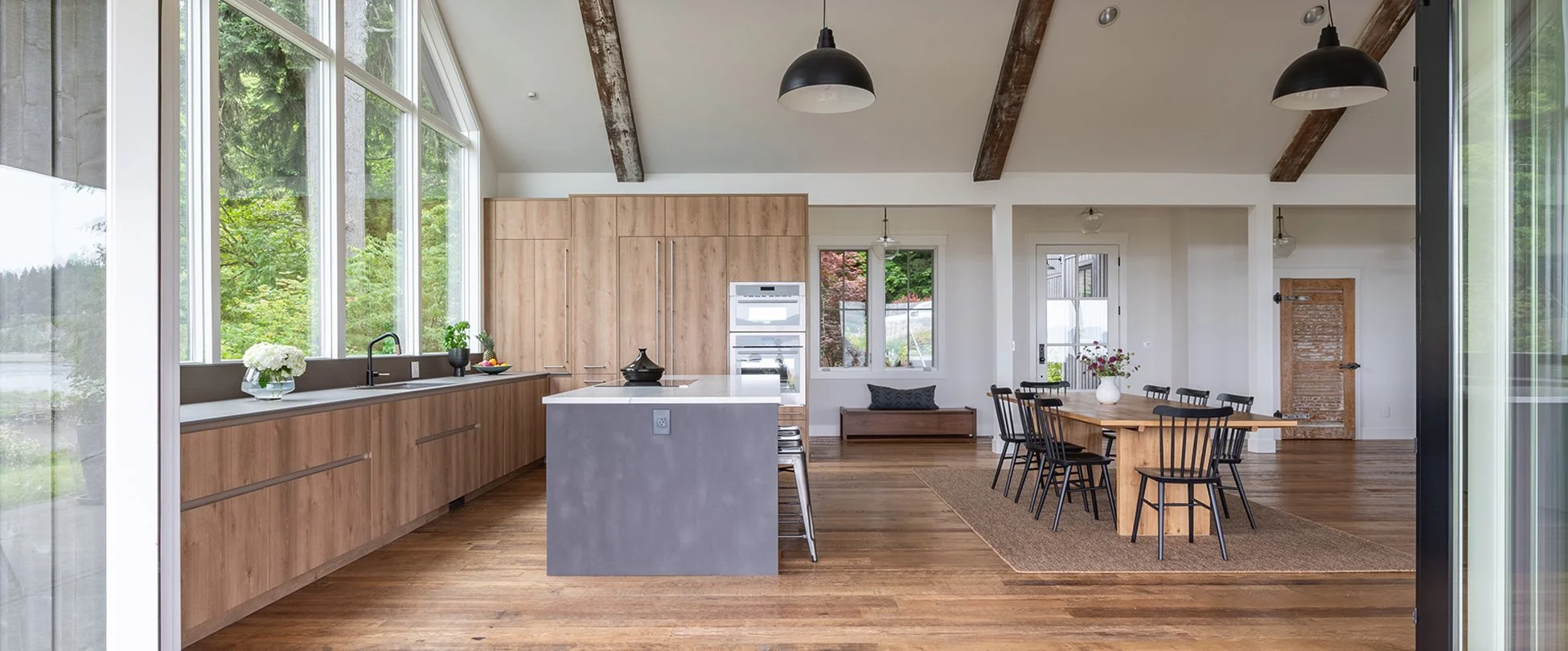
In Germany, Scandinavia, and across much of Europe, the kitchen is not just a room where meals are prepared but an architectural statement. European kitchen design, particularly in regards to German cabinetry, is rooted in the Bauhaus principle that form and function are inseparable. Every drawer, every hinge, every millimeter of space is engineered with intention.
German manufacturers, like LEICHT, invest decades of research into ergonomics, material science, and sustainable production. The result is a kitchen that doesn't just look stunning but performs flawlessly for 20, 30, even 40 years.
American Kitchens: Built for Abundance
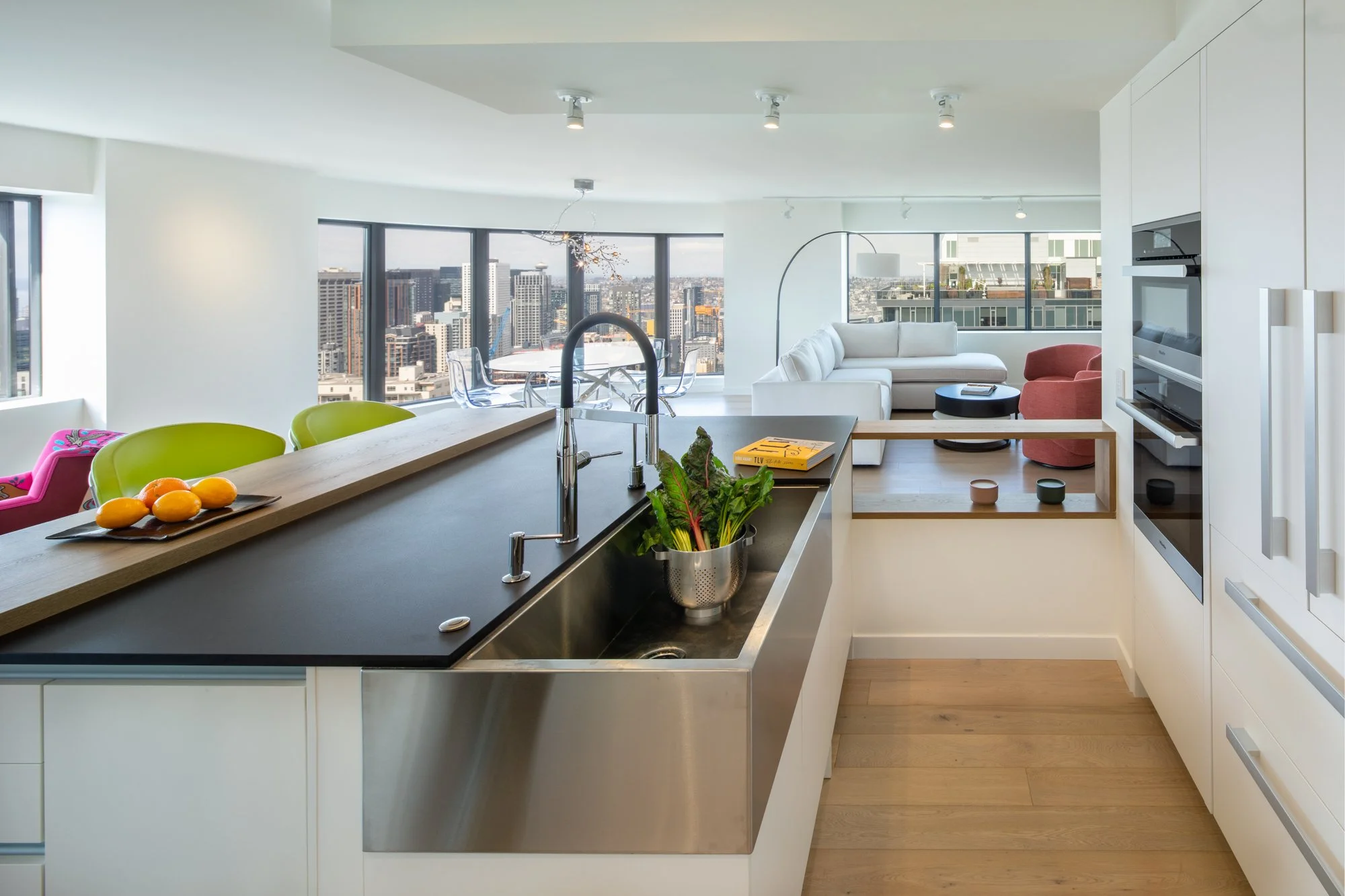
American kitchen design, on the other hand, has historically prioritized scale and storage above all else. The classic American kitchen is generous, with wide-open layouts and large islands. Traditionally American kitchens include substantial cabinetry space and a strong emphasis on visible display (think open shelving and glass-fronted cabinets). It reflects a culture of hospitality, family gatherings, and the joy of a well-stocked pantry.
There's a warmth and familiarity to the American kitchen aesthetic that resonates deeply. But in recent years, more and more Seattle homeowners are asking: what if my kitchen could be both beautiful and brilliantly engineered?
A Side-by-Side Kitchen Comparison: The Key Differences
1. Cabinetry Construction & Materials
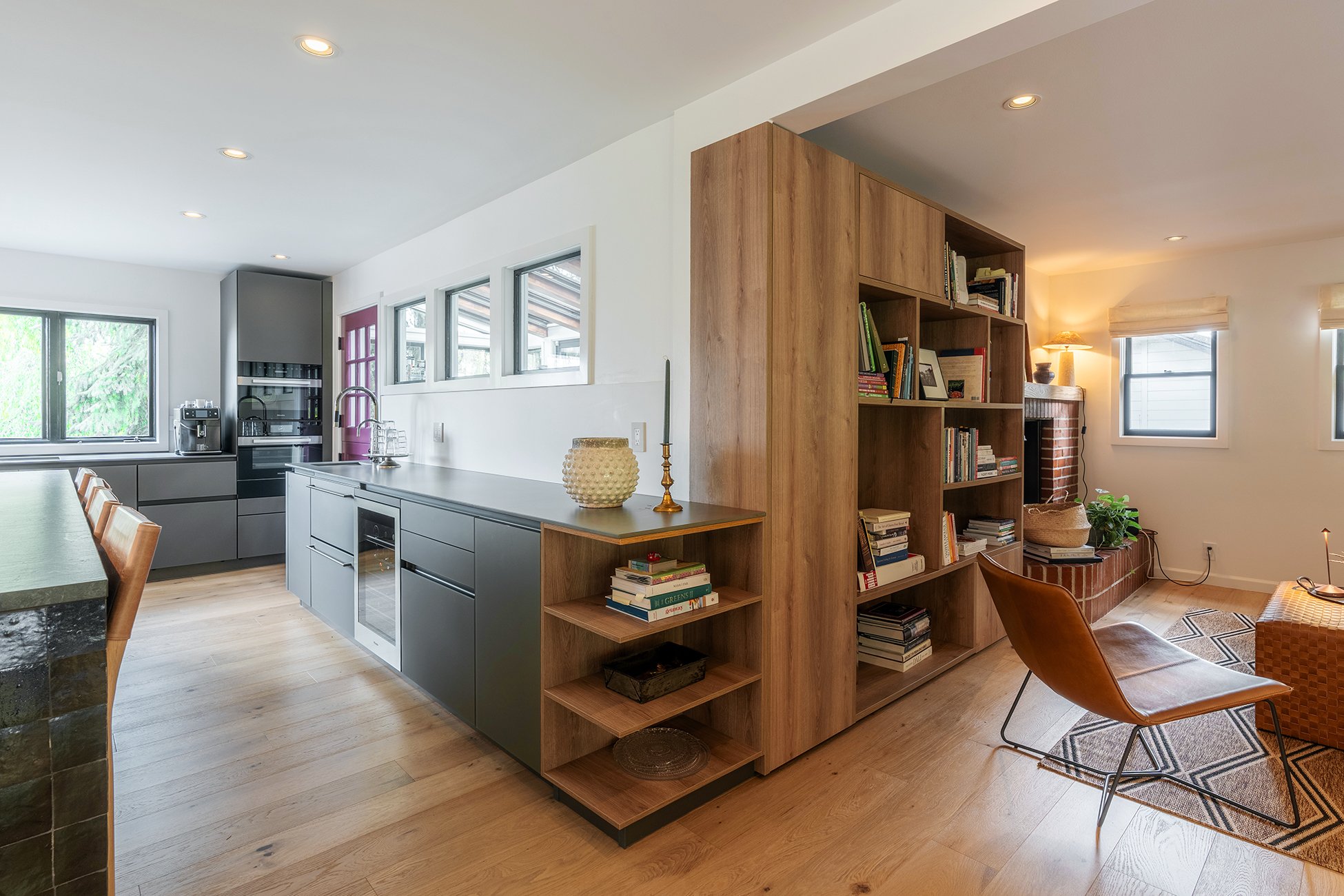
One of the most significant points in any kitchen comparison is what's inside the cabinet, not just on the surface. German cabinetry, like what you find at LEICHT, is built to tolerances measured in fractions of a millimeter. Boards are precision-cut, with edges that are perfectly sealed and drawer systems that glide with a silence and smoothness that feels almost mechanical in the best possible way.
American cabinetry often relies on face-frame construction. A face-frame is when a front frame is attached to a box of the cabinet. This is sturdy and familiar, but it has the potential to reduce interior storage space and limits the flexibility of hardware and fittings.
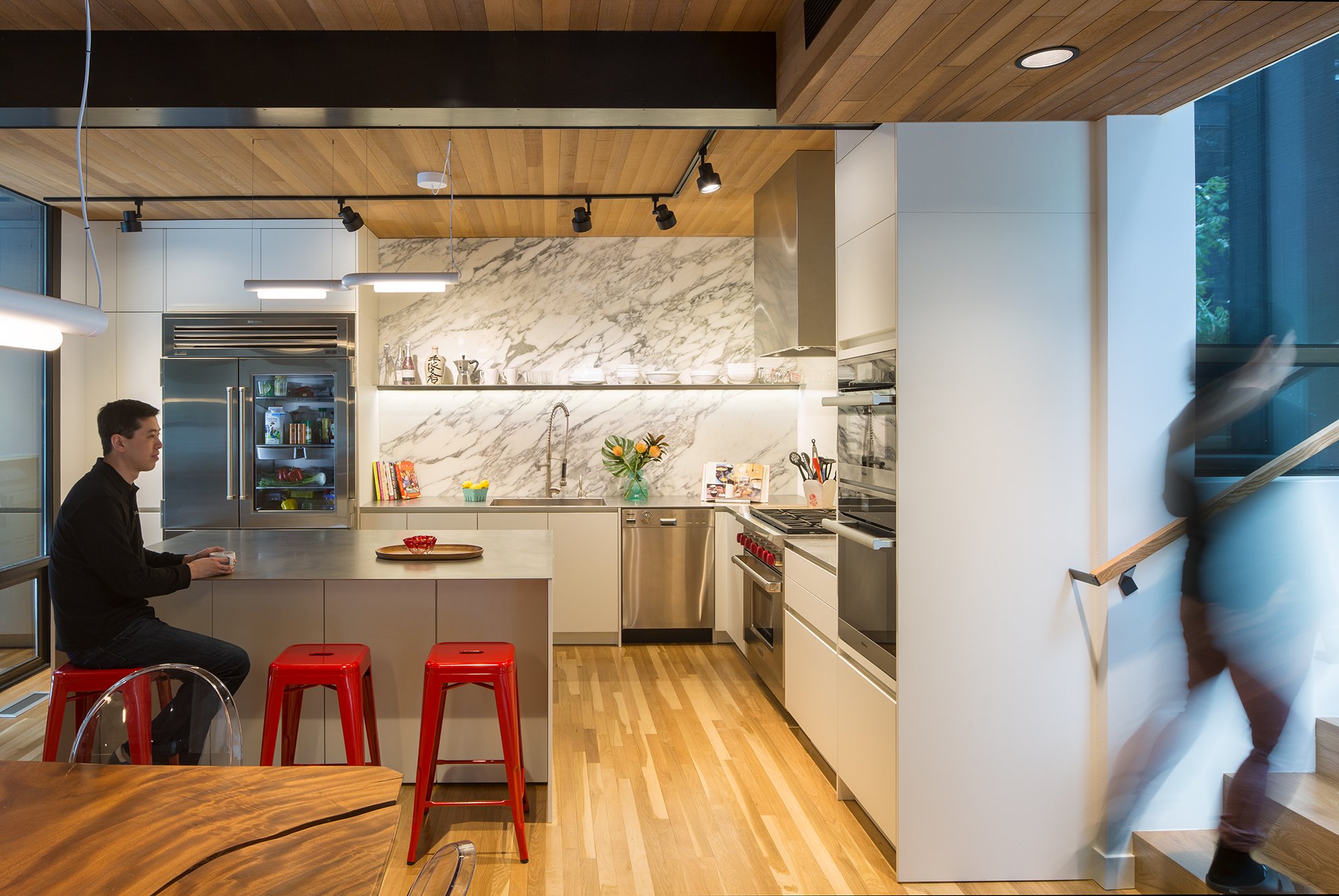
European frameless (or "full-access") construction, by contrast, gives you more usable interior space and allows for the sleek and flush aesthetic that defines Modern European kitchens Seattle homeowners are increasingly seeking.
2. Aesthetics: Minimalism vs. Ornamentation
Walk through a traditional American kitchen showroom and you'll notice a lot of detail such as raised-panel doors, decorative moldings, corbels, and elaborate hardware. These elements create warmth and a sense of craftsmanship that many people genuinely love.
European kitchen design tends toward the opposite, prioritizing clean lines with flat or slightly textured surfaces that make up modern handleless kitchen cabinets. These handleless designs use integrated grip profiles or push-to-open mechanisms that eliminate visual clutter entirely, giving the kitchen a serene, gallery-like quality.
It's not that one approach is better than the other, but rather it's about what you want your kitchen to say. Classic and layered? Or refined and architectural?
3. Layout & Space Planning
German kitchen planning is famously rigorous. Before a single cabinet is ordered, a LEICHT designer will conduct an in-depth consultation covering not just your aesthetic preferences, but how you cook, how you move through the space, how much natural light you have, and how you want to feel while working in your kitchen.
This level of intentionality is less common in the American big-box kitchen model, where stock cabinets are often assembled to fit a space rather than the space being designed around the way you live.
4. Hardware & Engineering
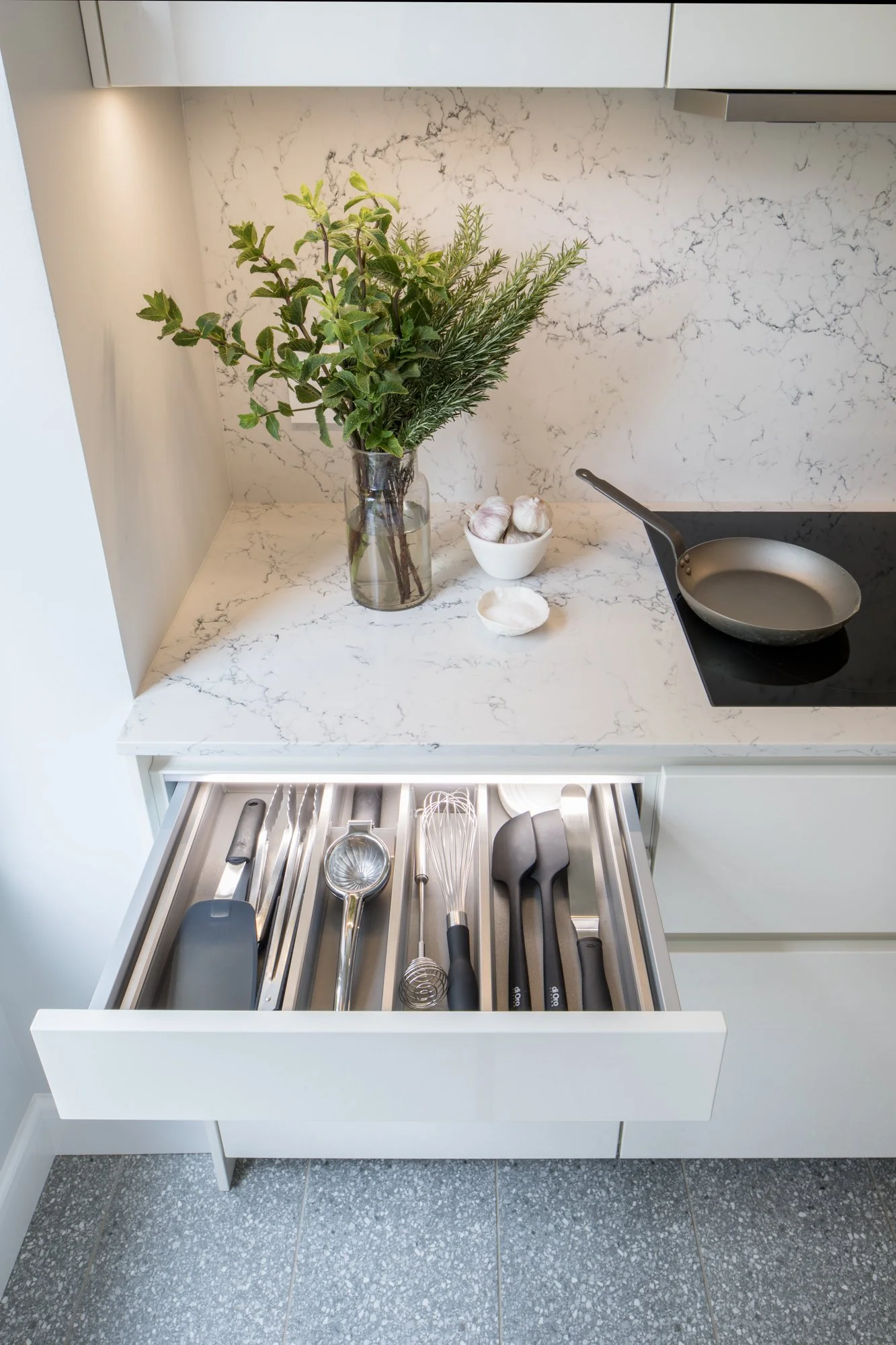
Open a LEICHT drawer and close it slowly. That soft, hydraulic deceleration, often called a "soft-close" mechanism, is standard across all German cabinetry. Hinges are adjustable in three dimensions. Pull-out systems extend fully. Pantry units rotate. Lift-up mechanisms glide upward with a single fingertip.
5. Sustainability & Longevity
European kitchen manufacturers operate under strict EU environmental standards, and are leaders in sustainable production. LEICHT uses low-emission boards, water-based lacquers, and responsibly sourced materials across their product lines.
American kitchen cabinets are not typically held to the same environmental standards and are often manufactured with higher-emission materials and designed with shorter lifespans in mind. Additionally, part of a remodel-and-replace cycle, typical with American kitchen styles, can cost more over time and tend to generate more waste.

The LEICHT Difference: Why We're Seattle's Authority on European Kitchen Design
We don't just sell cabinets. We are kitchen architects. We partner with one of the world's most respected German kitchen manufacturers, LEICHT, to bring genuine European craftsmanship to the Pacific Northwest.
Here's what sets a LEICHT kitchen apart:
Built to Last: Precision German engineering with tolerances measured in fractions of a millimeter
Full-Access Cabinetry: Frameless construction for maximum storage and a clean, modern aesthetic
Truly Custom: Hundreds of finishes, materials, and configurations, no two LEICHT kitchens are alike
Sustainably Made: Low-emission, sustainably sourced materials certified to the highest EU standards
Expert Guidance: A dedicated Seattle design team that guides you from concept to installation
Legacy of Quality: Backed by LEICHT's 95+ years of kitchen manufacturing excellence
Our showroom in Seattle is more than a display space, it's a working example of what's possible. You can open drawers, experience soft-close mechanisms firsthand, touch the finishes, and walk through fully configured kitchen vignettes that show you exactly how these spaces live and breathe.
Ready to See the Difference for Yourself?
The gap between a good kitchen and a great one isn't always visible at first glance, but it's felt every single day. In the way a drawer closes. At our showroom you can actually see the way light plays across a counter surface. Our team of highly trained European kitchen designers can help you find exactly what you need to create your ideal kitchen, in any style you want.
If this kitchen comparison has sparked your curiosity, we'd love to continue the conversation in person. Come visit us at LEICHT Seattle, and let's start designing the kitchen you've always imagined.
Book your complimentary design consultation today.
Visit us at our Seattle showroom or reach out online — we'd love to meet you.